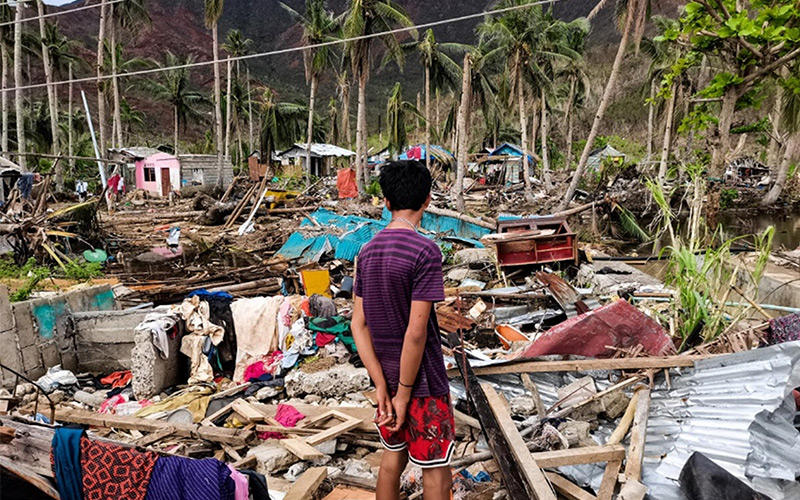
Definition
Poverty is a multifaceted condition characterized by severe deprivation of basic human needs, including food, safe drinking water, sanitation facilities, health, shelter, education, and information. It often encompasses not just economic dimensions but also social, political, and psychological aspects.
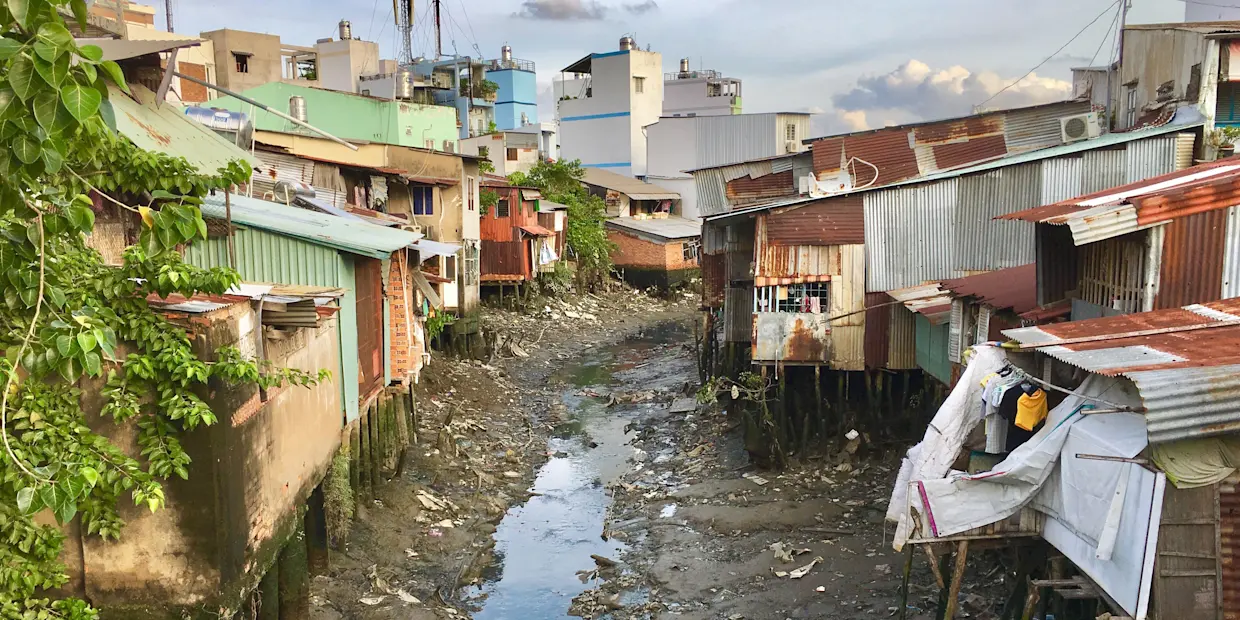
Human Influence
Human actions and policies significantly influence the prevalence and persistence of poverty. Several factors contribute to the perpetuation of poverty, ranging from economic and political systems to social practices and individual actions. Here’s a detailed look at how humans influence poverty:
Economic Systems and Policies
1. Inequality: Economic inequality is a major driver of poverty. Policies that favor the wealthy and create income disparities contribute to the persistence of poverty. According to the World Bank, the gap between the rich and the poor continues to widen in many countries, exacerbating poverty levels .
2. Labor Market Issues: Unemployment and underemployment are significant factors. Economic policies that do not support job creation or fail to provide adequate wages contribute to poverty. For example, the lack of minimum wage laws or insufficient labor protections can lead to widespread poverty .
3. Globalization: While globalization has led to economic growth, it has also resulted in job losses and wage suppression in certain sectors, particularly in developing countries. These economic disruptions can deepen poverty if not managed properly .
Political Systems and Governance
1. Corruption: Corruption diverts resources away from those who need them most. It undermines public services and economic opportunities, thereby perpetuating poverty. Transparency International highlights how corruption can siphon off funds meant for education, healthcare, and social welfare programs .
2. Political Instability and Conflict: Political instability and armed conflicts can destroy infrastructure, disrupt economies, and displace populations, leading to increased poverty. The United Nations notes that conflict-affected areas often experience the highest levels of poverty .
3. Policy Failures: Ineffective governance and poor policy implementation can prevent poverty alleviation efforts from reaching their intended targets. This includes failures in social safety nets, healthcare, and education systems.
Social and Cultural Factors
1. Discrimination and Social Exclusion: Discrimination based on race, gender, ethnicity, or religion can limit access to education, employment, and resources, trapping certain groups in poverty. Social exclusion further marginalizes these groups, making it difficult for them to escape poverty .
2. Education: Access to quality education is crucial for breaking the cycle of poverty. However, in many parts of the world, education systems are underfunded, and educational opportunities are unequal. UNESCO reports that children from poor families often have less access to education, limiting their future economic opportunities .
3. Healthcare: Poor health and lack of access to healthcare can push individuals and families into poverty. High medical costs and loss of income due to illness are significant contributors to poverty. The World Health Organization emphasizes the importance of universal healthcare in reducing poverty .
Environmental and Climate Factors
1. Climate Change: Human-induced climate change disproportionately affects the poor, who are more vulnerable to environmental shocks such as floods, droughts, and extreme weather events. The Intergovernmental Panel on Climate Change (IPCC) highlights how climate change can exacerbate poverty by destroying livelihoods and reducing food security .
2. Resource Depletion: Over-exploitation of natural resources by humans can lead to environmental degradation, which in turn affects the livelihoods of those dependent on these resources. This is particularly relevant in developing countries where agriculture and fishing are primary sources of income.

Natural Factors of Poverty
Natural factors play a significant role in perpetuating poverty, often interacting with human activities to create compounded challenges.
Environmental Degradation
- Soil Degradation: Poor soil quality from erosion and nutrient depletion impacts agricultural productivity, leading to food insecurity and income loss for farmers.
- Deforestation: Loss of forests reduces biodiversity, disrupts ecosystems, and affects livelihoods dependent on forest resources.
Climate Change
- Extreme Weather Events: Increased frequency and intensity of hurricanes, floods, and droughts destroy homes, infrastructure, and crops, displacing populations and causing economic losses.
- Rising Sea Levels: Coastal communities face land loss and displacement due to rising sea levels, particularly affecting low-lying areas.
Natural Disasters
- Earthquakes: Earthquakes can cause significant infrastructure damage, loss of life, and economic disruption, particularly impacting poorer communities.
- Volcanic Eruptions: Eruptions can destroy land and livelihoods, with ash and lava rendering agricultural land unusable for extended periods.
Resource Scarcity
- Water Scarcity: Lack of clean water affects health, agriculture, and industry, leading to poverty. Water scarcity is expected to increase with climate change.
- Mineral Resource Depletion: Depletion of mineral resources can lead to job and income losses in mining-dependent communities.
Geographic Isolation
- Remote Locations: Communities in isolated areas lack access to markets, education, healthcare, and other services, limiting economic opportunities.
- Harsh Climates: Living in deserts or polar regions can limit agricultural productivity and increase living costs, leading to food insecurity and fewer economic opportunities.